
This page covers everything you will encounter on a real upholstery project: the tools, the materials inside the seat, and where to find professional-grade supplies that are actually worth buying. It is organised to be useful whether you are equipping a workshop from scratch, restoring a single armchair, or trying to understand why a previous job did not hold the way it should have.
What you will find here is a complete, honest overview of what exists, what it does, and why it matters. Enough to make informed decisions.
New frames
Finding the right frame is where every good upholstery project begins. Most of the time we work with antique frames, giving old pieces a second life. But if you need a brand new frame, whether for a course, a custom project, or simply because you can’t find the right vintage piece, this page will point you in the right direction.
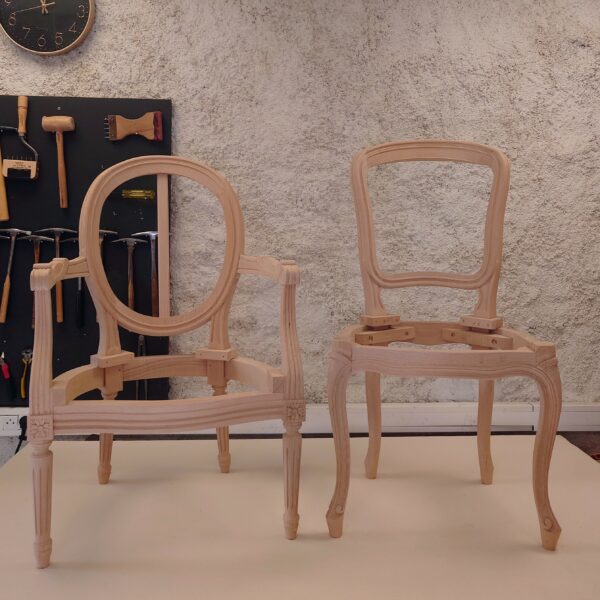
Where to buy a new chair frame ?
Webbing
Jute webbing for traditional work, elastic webbing for modern frames. Width, weave density and quality all vary significantly between suppliers and between good webbing and cheap webbing, the difference in how long a seat holds its shape is measured in years.
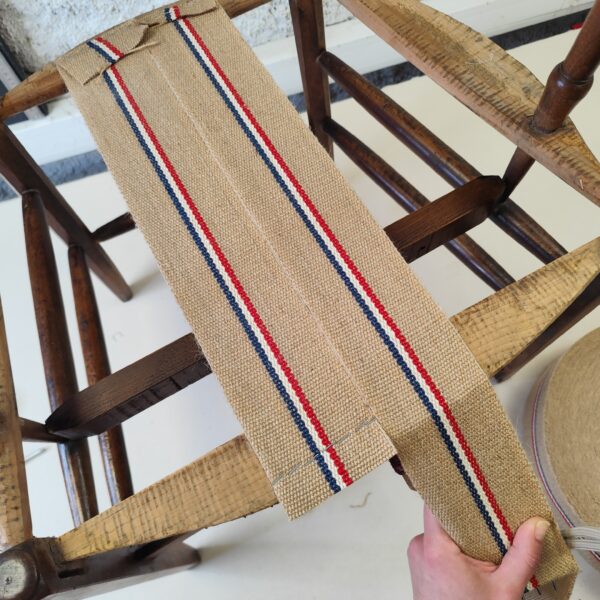
Materials: Webbings
Springs
Double cone coil springs in the right gauge and height for the frame, zig-zag sinuous springs for modern pieces, and pre-assembled spring units for industrial restoration. Gauge selection, height calculation and quality indicators are covered in detail in the materials section because buying the wrong spring is an expensive mistake that is difficult to fix after the fact.
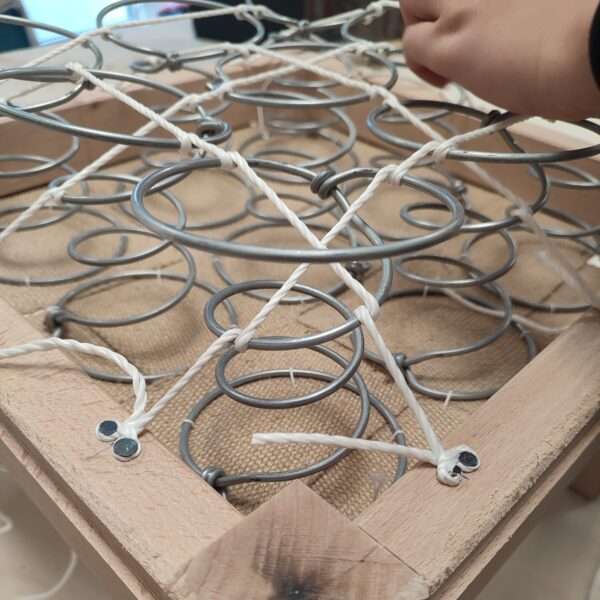
Springs: Upholstery materials
Twines and Cord
Spring twine for tying coil springs. Laid cord for bridle ties and edge stitching. The quality of the twine affects the lifespan of the spring deck directly: cheap or synthetic twine breaks, stretches, or slips off the tacks over time. The membership covers which to buy, where to find it, and how much you need for different project types.
Burlap and Hessian
Heavy upholstery-grade jute burlap is used at multiple stages: over the spring deck before padding, as a base layer for natural fibre stuffing, and sometimes as a support layer on backs and arms. The weight matters, upholstery burlap is significantly heavier than sewing-shop hessian, and substituting one for the other is a mistake that shows up quickly under load.
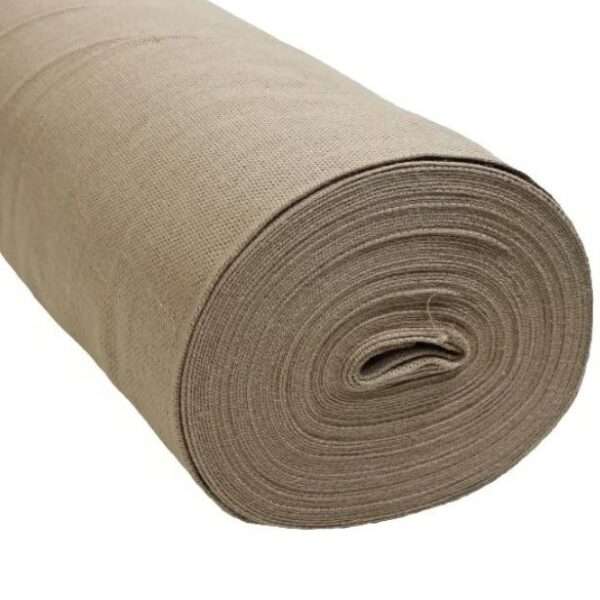
Hessian / Burlap
Natural Fibres – Coir, Tow and Horsehair
Coir fibre and vegetable tow are used as a first stuffing in traditional upholstery – dense, springy, and used to build volume before the finer materials go on top. Horsehair – either curled animal hair or a mix – is the second stuffing, adding refinement, resilience, and that characteristic feel of high-quality traditional work. Both are available from specialist upholstery suppliers and are irreplaceable in period restoration.
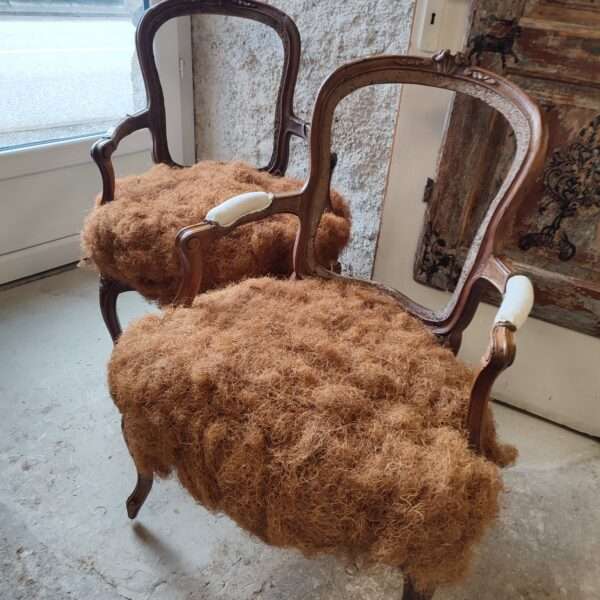
Filling a seat with natural fibers
Foam
Foam is not a single material: it is a family of products with wildly different densities, firmnesses, and applications. A 35 kg/m³ foam and a 55 kg/m³ foam look identical but perform completely differently under use. Knowing how to read foam specifications, which density to choose for seats versus backs versus cushion cores, and how to layer different foams for the best result is one of the most practically useful things the membership teaches.
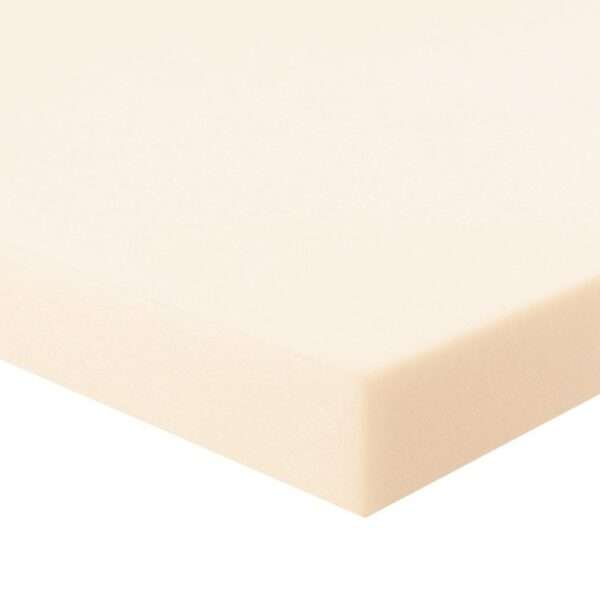
Foam: wich one for upholstery ?
Dacron, Wadding and Skin Wadding
The final comfort layer before the fabric – Dacron (polyester wadding) wrapped around foam gives cushions their rounded, generous silhouette. Skin wadding is the traditional equivalent, used over natural fibre padding to smooth the surface before covering. Both are inexpensive, both make a significant difference to the finished look, and neither should be skipped.
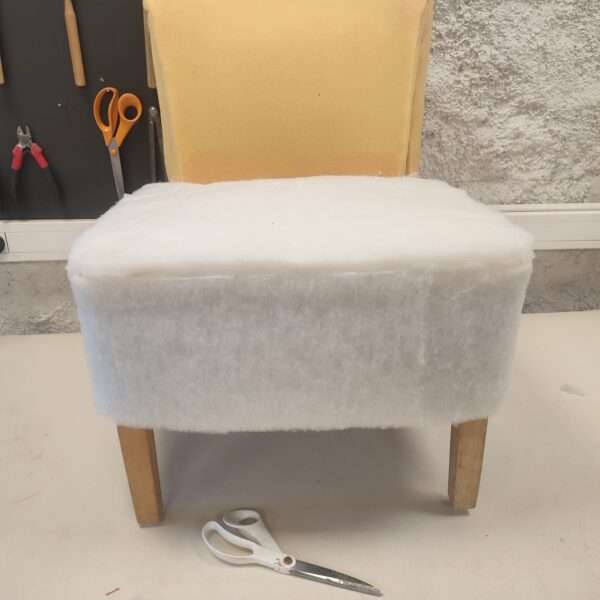
Polyester wadding on a seat before a loose cover
Calico
Calico is the unbleached cotton layer applied over the padding and – under the wadding – under the final fabric. It is not decorative: it is structural. It holds the padding in place, smooths the surface, and protects the final fabric from direct contact with the filling. Skipping calico is a shortcut that always shows up eventually, either in the fabric wearing prematurely or in the padding shifting under use.
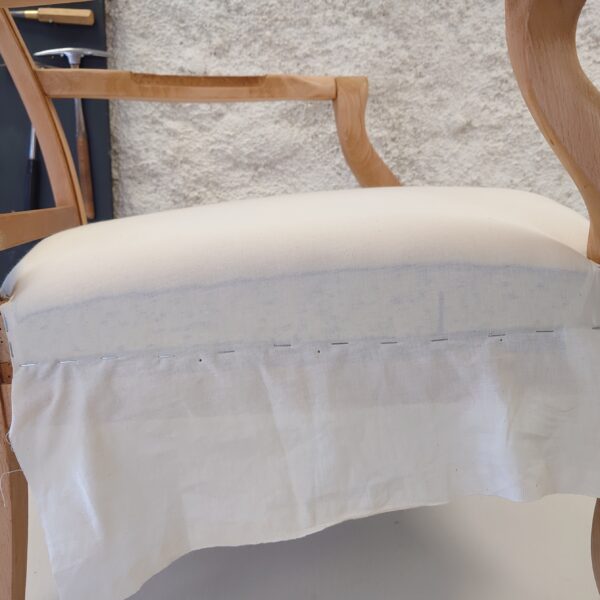
White calico on a seat before final fabric
Upholstery Fabric
Choosing the right fabric for each project is a topic in itself: rub count, pattern repeat, fabric weight, pile direction, and how the fabric behaves on curves and corners all affect the result. The membership covers fabric selection in detail, including how to calculate quantities, how to work with patterns, and which fabrics to avoid for which applications.
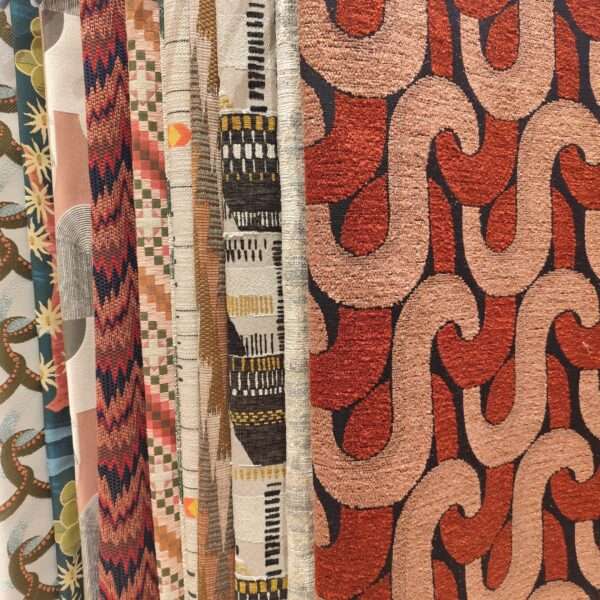
What Type of Upholstery Fabric Should You Choose to Cover a Seat?
Trimmings – Piping, Gimp, Braid and Decorative Nails
The finishing details are what give a piece its character: a well-made piping cord, a carefully applied gimp, a row of decorative nails driven at even spacing. These are not afterthoughts. They are part of the design, and they require their own techniques and their own tools. All covered inside the membership.
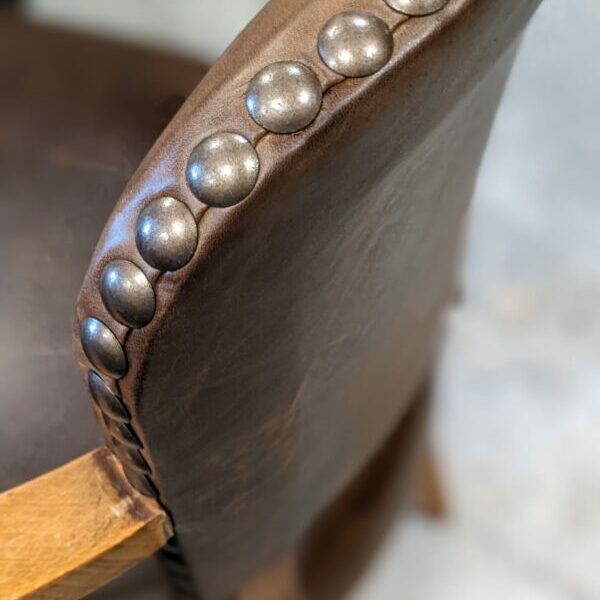
The different ways to finish a seat (with visible wood)
Adhesives and Contact Glue
Contact adhesive is used throughout modern upholstery: for bonding foam to frames, joining foam layers, fixing edge roll, and securing Dacron. Choosing the right adhesive, applying it correctly, and understanding its open time are practical skills that affect the quality and the safety of the work. The membership covers which products to use and how to use them without damaging the materials.
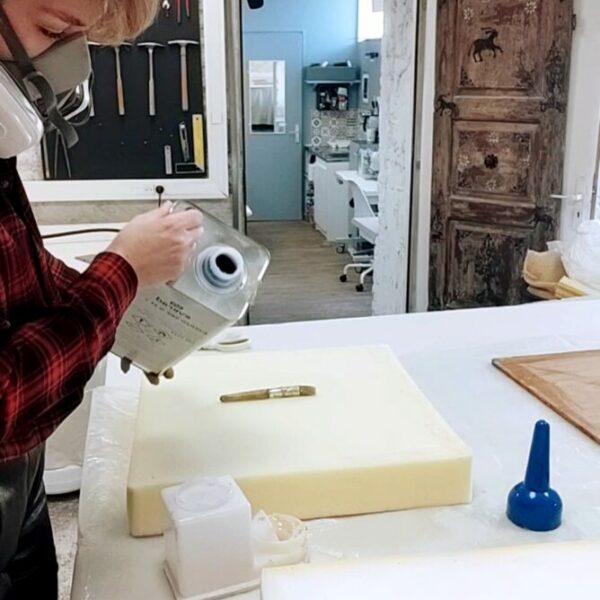
What kind of glue do you use in your upholstery projects ?
All of the detailed guides, product comparisons and supplier recommendations are available inside the membership, along with the full step-by-step tutorials that show you exactly how to use every material and every tool covered on this page.
Your Upholstery Journey in 3 clear guides
Start simple, learn the right techniques, then move to real projects. A clear method, built to last.
Ready to learn properly?
If you want a clear learning path, professional methods, and no guessing,
Premium is where it starts.
And it’s incredibly affordable!
Is there any material missing?
As a guest or a member, you have the privilege of suggesting topics in the comments below. If there is a technique, a material or chair style missing from the platform, leave your request here, your idea could inspire the next tutorial release.