In short: the essential upholstery tools are a staple gun (ideally pneumatic, with an air compressor), an upholstery hammer and tacks, a ripping chisel, mallet and tack lifter for stripping, a webbing stretcher, a regulator, curved and straight needles, pins, and good upholstery scissors. A sewing machine able to handle thick fabric becomes essential as soon as you sew piping or cushions. Start with the stripping tools, a staple gun and scissors, and add the rest as your projects grow.
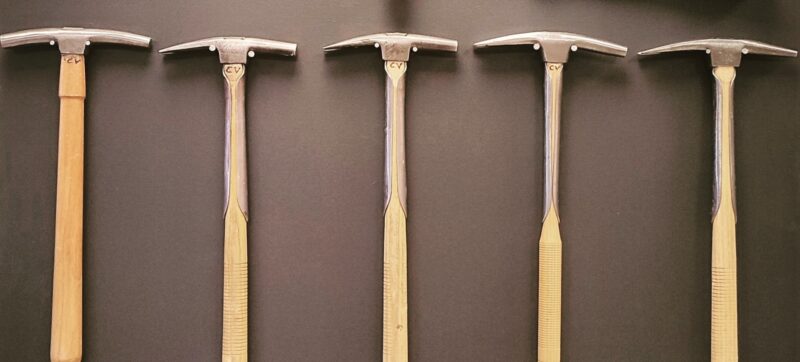
Upholstery tools have a beauty to them that most people never get to see. The weight of a good upholstery hammer in the hand. The satisfying click of a pneumatic staple gun finding its depth. A regulator that has been used so many times it has worn a groove exactly where your fingers rest. These are not just tools, they are the reason the work is possible, and for anyone who spends real time at a bench, they become extensions of the hands.
This page covers everything you will encounter on a real upholstery project: the tools, the materials inside the seat, the fabric on the outside, and where to find professional-grade supplies that are actually worth buying. It is organised to be useful whether you are equipping a workshop from scratch, restoring a single armchair, or trying to understand why a previous job did not hold the way it should have.
Tools in an upholstery workshop
Every upholstery tool has a specific job. Using the wrong one slows you down, damages the frame, or compromises the result. The tools below are the ones you will reach for on almost every project, whether you are working in a professional workshop or restoring a single chair at home.
Sewing machine
A good sewing machine is essential the moment you start working with piping, cushion covers, or any sewn panel. Not every domestic machine is up to the job: upholstery fabric is thick, sometimes heavy, and needs consistent tension and a machine that can handle multiple layers without skipping. Knowing what to look for before you buy or upgrade saves a great deal of frustration.
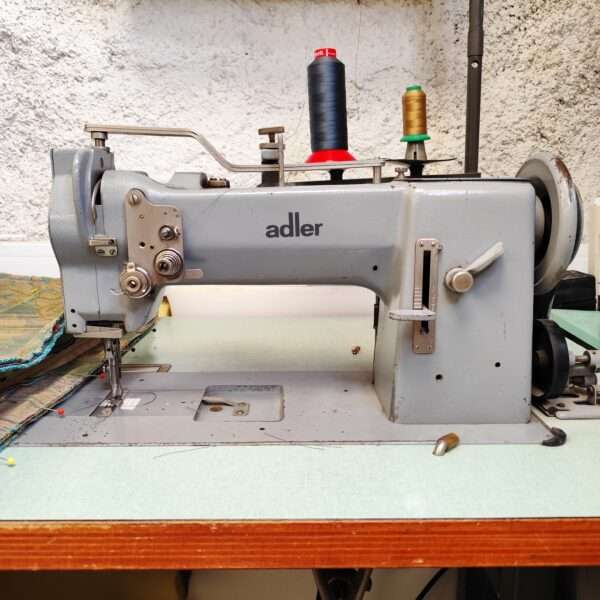
The perfect sewing machine for upholstery work
Staple gun
The staple gun is the most-used tool in modern upholstery. Electric, pneumatic or manual, each has its place depending on the volume of work and the type of frame. Choosing the right staple size for each application is just as important as the gun itself: too short and the staple will not hold, too long and it will split the wood or go straight through a thin rail.
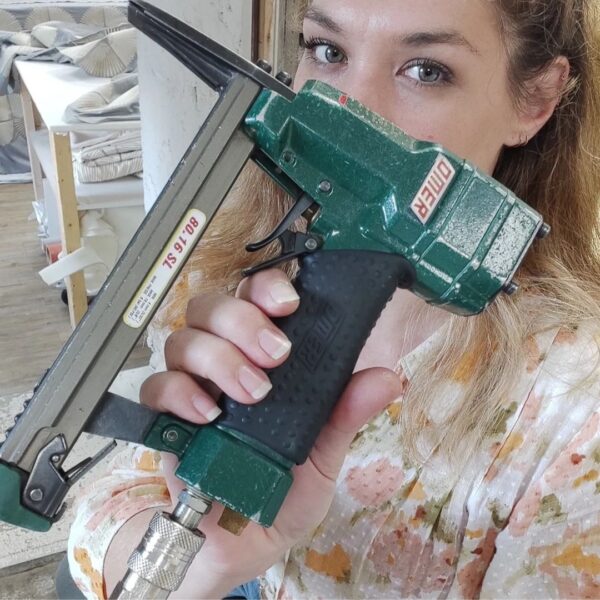
Best Staple Guns for Upholstery
Air compressor
A compressor paired with a pneumatic staple gun is the professional standard for anyone doing upholstery regularly. It is faster, more consistent, and far less tiring than a manual gun on a long project. Choosing the right compressor size, the right pressure settings, and the right staple gun to pair with it are decisions that matter, and the air compressor guide walks you through them.
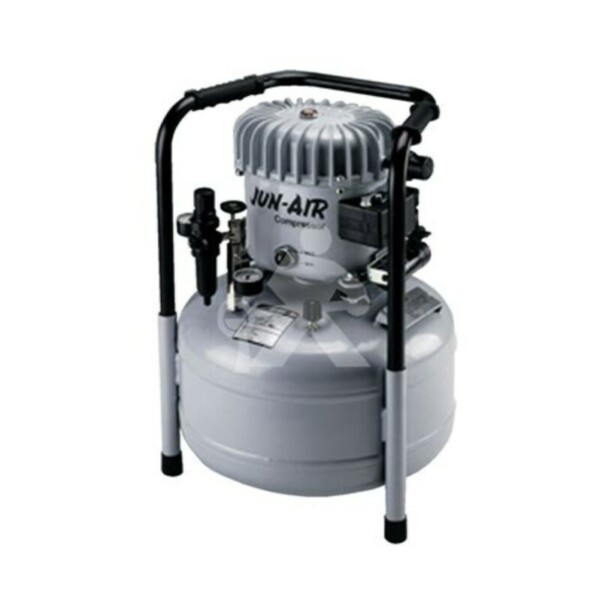
Which air compressors for upholstery ?
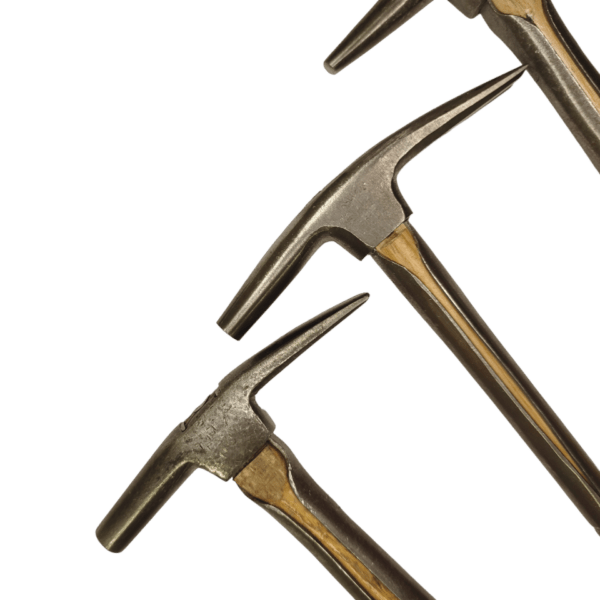
Upholstery hammer
The traditional upholstery hammer is lighter and more precise than a standard carpenter’s hammer. It is used for driving tacks, setting springs, and working in tight spaces where a heavier tool would damage the frame or the fabric. A magnetic head is useful for positioning small tacks – one of those details that makes the work faster and cleaner once you know it.
Tacks
Tacks are used throughout traditional upholstery: for fixing webbing, securing twine, temporary tacking fabric before final fixing, and a dozen other applications. They come in multiple sizes, each with a specific use. 10 mm and 12 mm for fabric, 14 mm for spring twine, 16 mm for heavy-duty fixing. Using the wrong size is a common beginner mistake with real consequences for the finished piece.
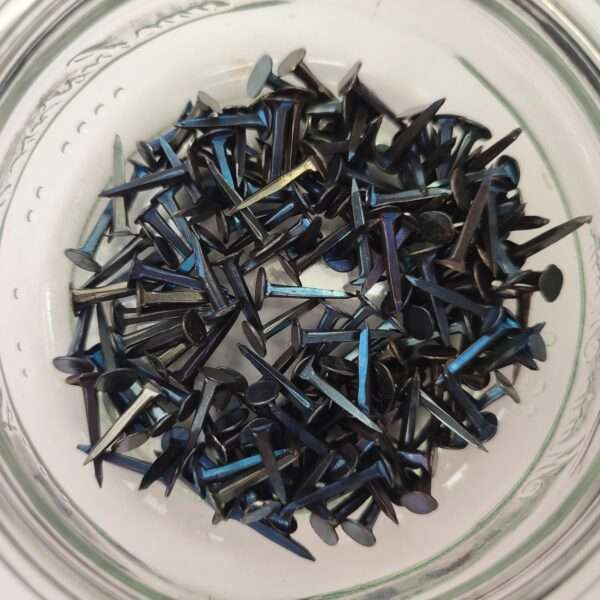
Tacks: everythings you want to know about them
Staples
Staples have largely replaced tacks for fabric fixing in modern upholstery, but not all staples are equal. The gauge, the crown width and the leg length all affect holding power and compatibility with the gun. Using cheap or mismatched staples is one of the most common causes of fabric pulling away from the frame: an avoidable problem when you know what to buy. Get more information about staples on the staple gun page.
Manual tools
The manual toolkit of an upholsterer includes a handful of specialist tools that have no real substitute: a tack lifter and mallet for stripping, a webbing stretcher for tensioning jute, staple removers and ripping chisels for the demolition stage, and spring stretchers for sinuous spring installation. Each one is simple, each one is essential, and each one rewards a little time spent learning to use it correctly.
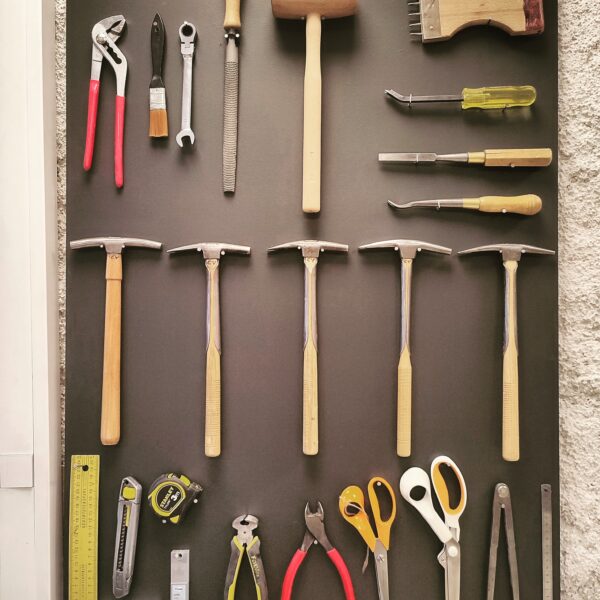
Basic manual tools for upholstery
Webbing stretcher
The webbing stretcher tensions jute or elastic webbing before it is fixed to the frame. The tension of the webbing is the base of the whole seat: too loose, and everything above it will sag. There are several models, from the traditional wooden paddle to modern lever stretchers, and each suits a different way of working. See the webbing stretchers guide and the webbing tutorials.
Scissors and cutting tools
A good pair of fabric shears, a foam cutter or electric carving knife, and a sharp seam ripper complete the cutting toolkit. Investing in quality here pays back immediately in cleaner cuts, less fraying, and faster work. See how to cut the fabric.
Pliers, rippers and stretchers
Upholstery pliers grip and pull the fabric or the webbing while you fix it, and pull out stubborn staples during stripping. Choosing the right jaws makes tensioning easier and saves your hands.
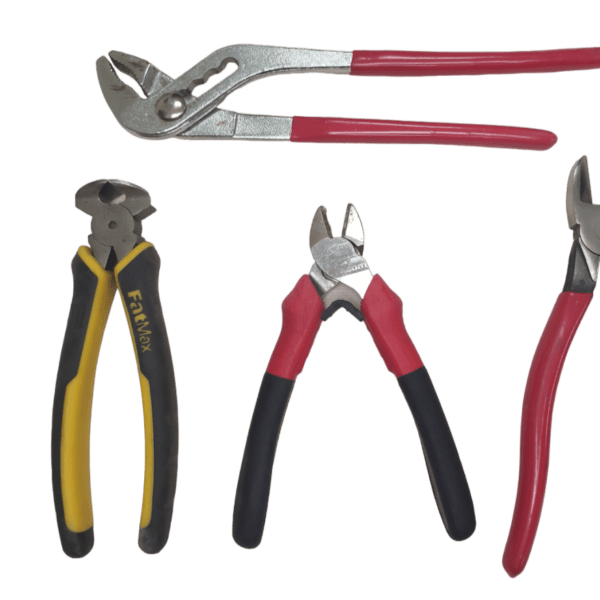
Pliers for upholsterers
The regulator
The regulator is one of those tools that non-upholsterers have never seen and professional upholsterers use constantly. It is a long metal spike with a flat, slightly curved end, used to redistribute and even out natural fibre filling through the burlap without removing it. It is how you correct lumps, adjust density, and refine the shape of a traditional seat before stitching the edge roll. There is no substitute for it in traditional work.
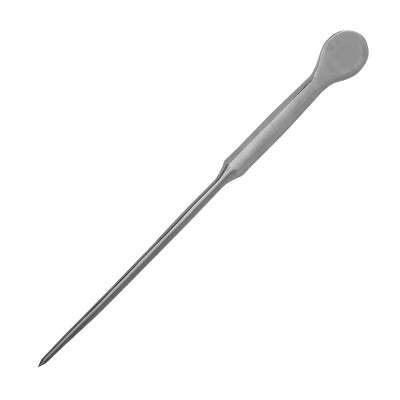
How to use a regulator
Pins, curved and straight needles
Traditional upholstery uses a range of needles – curved and straight, in various lengths – for hand-sewing springs, stitching edge rolls, and closing covers.
Long mattress needles, both curved and straight and typically 10 to 30 cm long, are essential for stitching bridle ties, edge rolls, and through-stitching traditional padding. The curved needle is used for sewing springs to webbing and burlap. Knowing which needle to use for which task, and how to handle them safely, is one of the first things to learn in traditional upholstery.
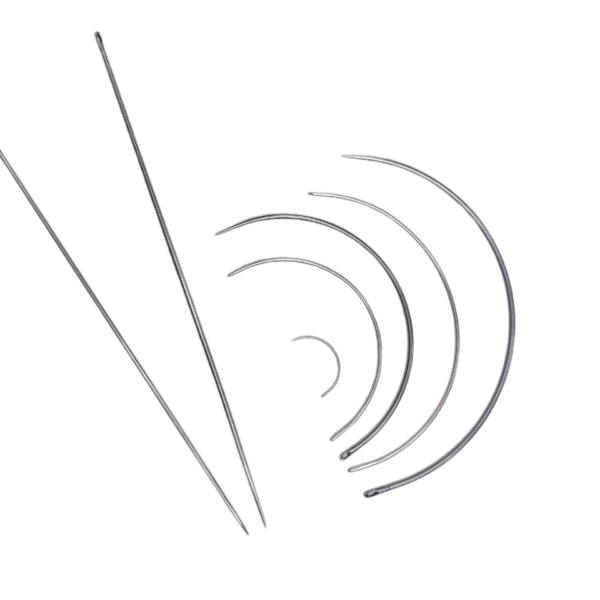
Pins, Needles and Skewers
Button press
A button press makes self-covered buttons that match the fabric exactly, for deep-buttoned chairs, headboards and cushions. To make several sizes, choose a press with interchangeable dies: the upholstery button press guide explains sizes, types of machines and how to choose one.
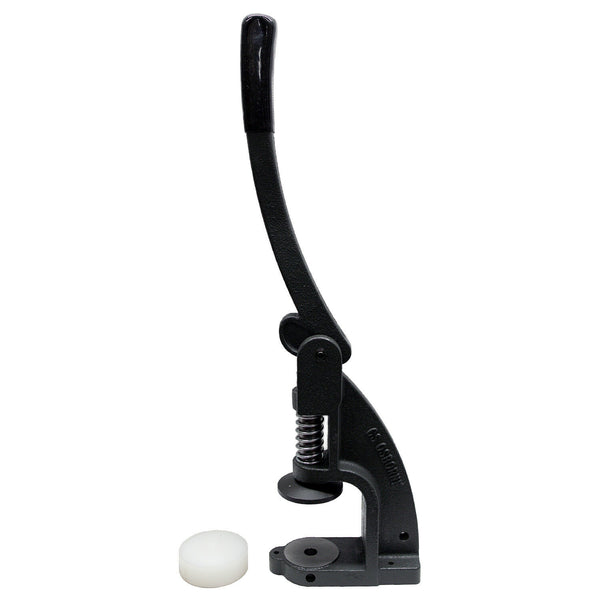
Upholstery button press machine
The materials inside the seat
Tools are only half of the job. Webbing, springs, twine, hessian, coir, horsehair, foam and wadding each play a precise role inside a seat, and choosing the right grade matters as much as choosing the right tool. Every material is explained in the complete guide to upholstery materials.

Upholstery MATERIALS: The Complete Guide
The fabric on the outside
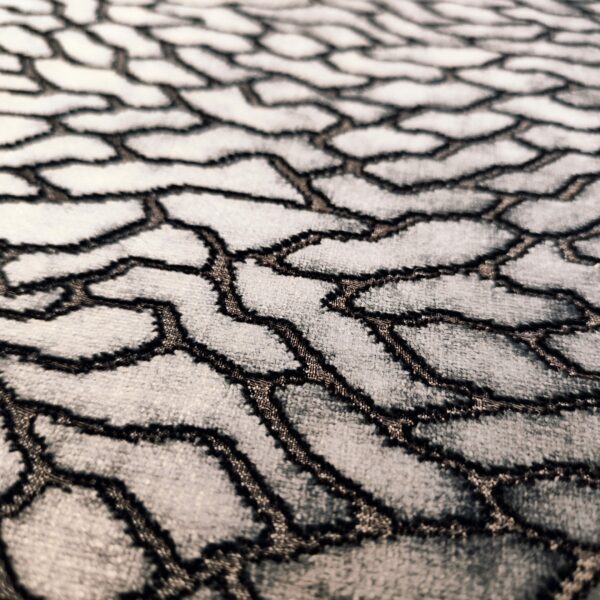
The top fabric is the last layer, the one everyone sees and touches. It has to suit the shape of the chair and stand up to daily use: for a seat, choose at least 30,000 Martindale rubs. How to choose between velvets, bouclé, wool and other fabrics is explained in the upholstery fabric guide.
Upholstery Fabric: Complete Guide
Finding good suppliers
Having the right tools and materials is only useful if you can find them and in upholstery, sourcing is part of the skill. Good springs, quality jute webbing, professional-grade foam, and proper upholstery fabric are not always easy to find in a general hardware or craft shop. Knowing where to look, what to ask for, and how to avoid the low-quality substitutes that look similar but perform very differently is something that takes time to learn.
Specialist upholstery suppliers
The best source for all structural materials (webbing, springs, twine, burlap, tacks, edge roll, natural fibres, foam ) is always a specialist upholstery supplier. They stock professional-grade products, can advise on specifications, and often sell in the quantities that make sense for a single project rather than industrial volumes. A good relationship with a local or online specialist supplier is one of the most valuable resources an upholsterer can have.
What to look for, and what to avoid
The upholstery supply market contains a wide range of quality levels, and the difference is not always visible at first glance. Cheap foam that looks identical to professional foam collapses within months. Synthetic twine that looks like spring twine stretches and fails. Thin burlap that feels similar to upholstery grade tears under stitching. My list of suppliers for upholsterers gathers the ones I trust.
All of the detailed guides, product comparisons and supplier recommendations are available inside the membership, along with the full step-by-step tutorials that show you exactly how to use every material and every tool covered on this page.
Your upholstery journey in 3 clear guides
Start simple, learn the right techniques, then move to real projects. A clear method, built to last.
A selection of tools and materials on Amazon
Some upholstery tools and materials are easy to find on Amazon through specialist suppliers. It might feel easier, particularly if you are just starting out and want to order a few items quickly without committing to a trade account. I have put together a curated selection of the tools and materials I actually use and recommend, available through my Amazon shop. Staple guns, webbing stretchers, springs, needles, twine linked in one place.
Frequently asked questions
What tools do I need to start upholstery?
To start upholstery you need a staple gun, a tack lifter, a mallet, a pair of fabric shears, upholstery pins and a webbing stretcher. A sewing machine becomes essential as soon as you work with piping or cushion covers. See the full basic manual tools guide for details.
What is the difference between a manual and a pneumatic staple gun for upholstery?
A manual staple gun is fine for occasional projects but tiring over long sessions. A pneumatic staple gun powered by an air compressor is the professional standard: faster, more consistent, and much less effort on heavy fabric or thick frames. Read the full staple gun guide and the air compressor guide.
What is a regulator used for in upholstery?
A regulator is a long metal spike used in traditional upholstery to redistribute natural fibre filling through the burlap without removing it. It is how you correct lumps, adjust density and refine the shape of a seat before stitching the edge roll. Learn how to use a regulator.
What size tacks should I use for upholstery?
Tack sizes vary by application: 10mm and 12mm for fabric, 14mm for spring twine, and 16mm for heavy-duty fixing. Using the wrong size is a common beginner mistake that affects the quality and durability of the finished piece. Read the full tacks guide.
Where can I buy professional upholstery tools and supplies?
The best source for professional upholstery tools and materials is always a specialist upholstery supplier, not a general hardware store. Specialist suppliers stock professional-grade products and can advise on the right specifications for your project. See the suppliers guide.
What is a webbing stretcher used for?
A webbing stretcher tensions the webbing before it is fixed to the frame, so the seat stays firm and does not sag. See the webbing stretchers guide.
Which button press should I buy for upholstery?
If you want several button sizes, choose a press with interchangeable dies, and buy a die set and a cutter for each size. See the upholstery button press guide.
Do I need a sewing machine for upholstery?
Not for every project, but a sewing machine becomes essential as soon as you work with piping, cushion covers or any sewn panel. Not all domestic machines can handle upholstery fabric: you need a machine with consistent tension that can manage multiple thick layers without skipping. Read the full sewing machine guide.
Written by Céline Vanier, French upholsterer, working in her atelier near Lake Annecy since 2012.